
A Fine Balance by Rohinton Mistry
My rating: ★★★★★
This novel is set during the Emergency in India, which occurred between 1975-1977. It tells the story of several characters of varying social class, and in that way documents how the people of India were affected by the Emergency. I absolutely fell in love with all of the characters in this book. It’s one of the most tragic and upsetting books I’ve ever read, and there really isn’t any kind of happy ending for any of the characters, so the sadness of their fate is never resolved. Mistry's writing reminds me of classic authors like Victor Hugo and Charles Dickens in that way. And like great tragedies, this story is so poignant and inspiring despite the misery. This is an amazing literary work.

Oleander Girl by Chitra Banerjee Divakaruni
My rating: ★★★★☆
At first this book was just a pleasant, easy read. All fluff about Korobi getting ready for her wedding and how in love she is with her fiance. But there is a hitch that has to do with Korobi's own family, and she has to decide whether or not its her duty to tell her fiance and his family. This book wasn't amazing, but it was very enjoyable and interesting to read about racism in India.
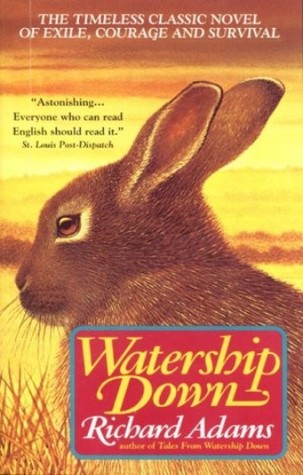
Watership Down by Richard Adams
My rating: ★★★★★
I love this book so so so much. It was cute and surreal and exciting. I can definitely see why this book is such a classic. Fiver was by far my favorite character, but I loved Bigwig too. The stories that the rabbits told one another were so interesting, and scary at times. And the events that happen to the rabbits are creepy and violent and scary, which is the last thing I'd expect from a book about talking rabbits. I recently bought the Tales from Watership Down that expand on the rabbits' mythology, and I'm really excited to read that!

Inexcusable by Chris Lynch
My rating: ★☆☆☆☆
This book could have been very powerful but it was so poorly executed that it presents a harmful message rather than a good one. Basically, it’s in a rapist’s point of view as he rationalizes what he did into not being a rape. It’s fucked up. A lot of his life and other disturbing things he’s done are exposed early on in the book to let the reader know that he’s an unreliable narrator (which is one of my favorite methods of storytelling), but the ending is so abrupt that the message falls flat. It ends up being confusing and reading as a rape apology. I don't understand why the author didn't follow through at the end to make it clear that what Keir did was wrong, and to perhaps show some realization or remorse on Keir's part. It was left so open ended that someone reading this who wants to believe he isn’t a rapist could do so. I think it needed to be more clear in its purpose or it could lead to more rape apology and misunderstanding.

No comments:
Post a Comment