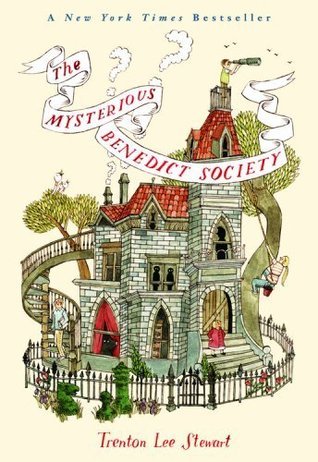
The Mysterious Benedict Society by Trenton Lee Stewart
My rating: ★★★★☆
This book reminded me SO MUCH of the Series of Unfortunate Events series. And the beginning, with Reynie and his bland orphan life that is changed to something magical and important in one afternoon, reminded me of Harry Potter. Obviously, that means I loved it. It's quirky, hilarious, and implausible, and that's what makes it so much fun to read. Occasionally there are books where one specific character stands out among the rest, and the character in this book is Kate Wetherall. All I'll say about her for now is that she makes me want to carry around my own bucket. There are more books to the series and I’m definitely going to read them.
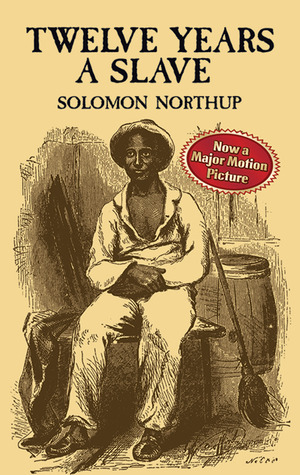
Twelve Years a Slave by Solomon Northup
My rating: ★★★★★
I saw the movie version when it came out, but later we read an excerpt in my African American Literature class and I decided that I wanted to read the full text. The beginning of the book contains an editor's preface that was common when black authors first started publishing - essentially a white man vouching for the literacy and accuracy of the black author. We learned a lot about this kind of thing in my African American Literature class - Phyllis Wheatly, the first African American slave to publish anything, was interrogated by Thomas Jefferson and a few other men for hours because they didn't believe she could have written her poetry on her own - and this is one of the countless ways that racism presents itself, one that we usually are never made aware of. So even just reading the preface was a solemn reminder of the United States shameful past. Solomon Northup tells his story in a very matter-of-fact, emotionally detached way that was common to the time period. In my African American Literature class we talked about the possibility that they had to write in this manner in order to be allowed to publish at all, because if they had written their true emotions about their white captors it would have been too damning to be allowed to circulate. Frederick Douglass was the first former slave to write without censorship of his emotions about his experience, and it is much more jarring because of his anger and condemnation. I also noticed that in Solomon Northup's narrative he repeatedly assures his readers that this was only his personal experience, and that he had some really wonderful masters, and that not all slave masters are cruel. I found myself wondering whether he said that of his own free will or if he was encouraged to include it. This book is such an important part of history, and Solomon Northup's life is one of the most extraordinary I have ever read about. Many free born blacks were sold into slavery, but I don't think many of them were rescued at all, or in such a fantastical way.

No comments:
Post a Comment